
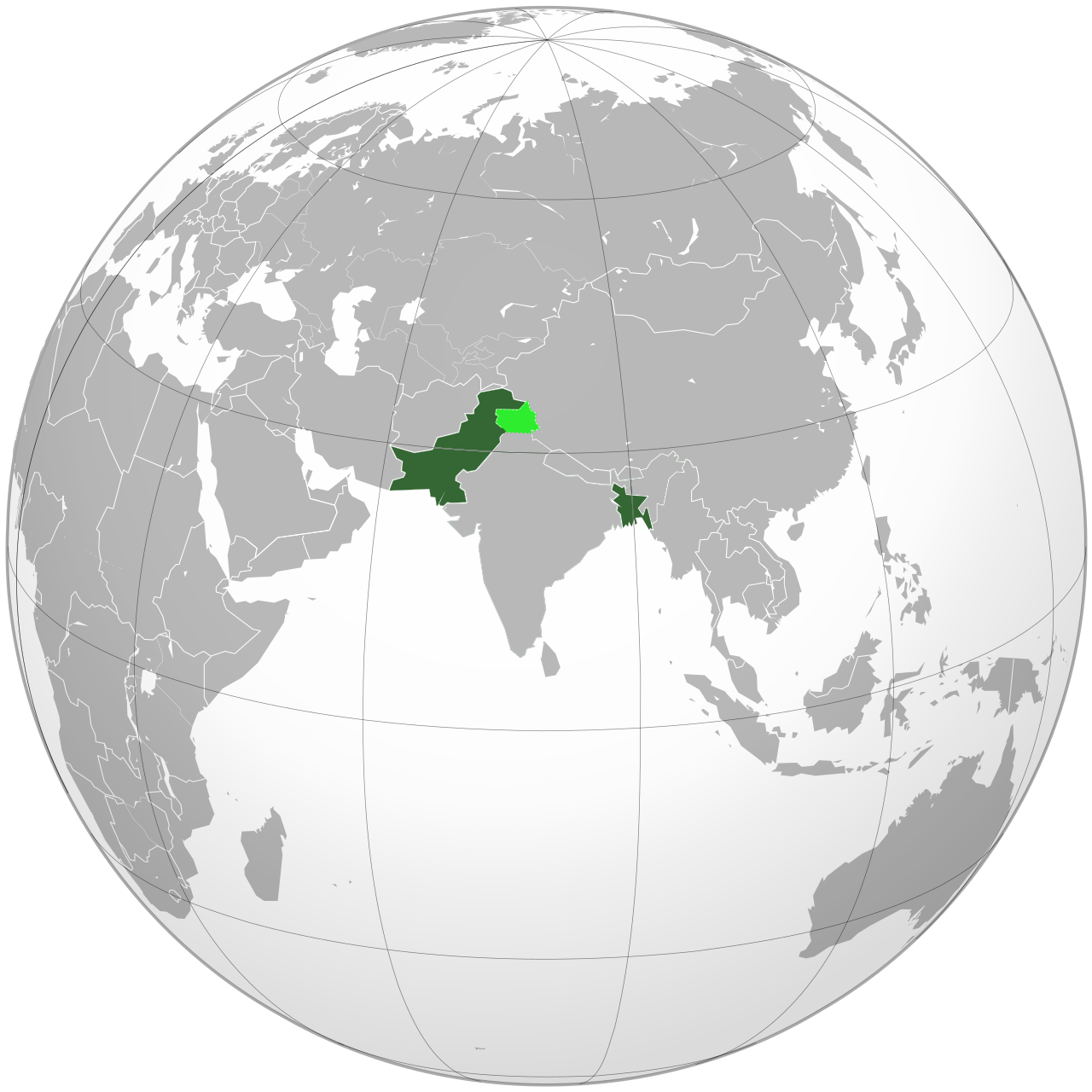
Christian communities in the unreached global frontiers reached with Gospel of kingdom of God
To strengthen Christian believers in the unreached global frontiers for growth in faith, doctrine, and services
We adopt a Christ-centred strategy aimed at strengthening Christian Leaders with competencies for enhancing missional services in the global frontiers.
Our Christian Services are hedged and anchored onto 5 pillars of signature services including Missions, Evangelism, Discipleship, Apprenticeship, and Leaderships (MEDAL) Programme.
Pillar 1: Missions: Going into new areas, sharing the Gospel, and strengthening Christian Communities.
Pillar 2: Evangelism: Experiential equipping and mentoring Christian believers in sharing the Gosple to win souls for Christ.
Pillar 3: Discipleship: Nurturing new believers for growth in faith, doctrine, character, and Christian services.
Pillar 4: Apprenticeship: Systematic occupation training combining on-the-job (workplace) and off-the-job (education or training institution.
Pillar 5: Leadership: Strengthening institutional arrangements for Mission, Evangelism, and Discipleship, and Apprenticeship through local formations for improved effectiveness.
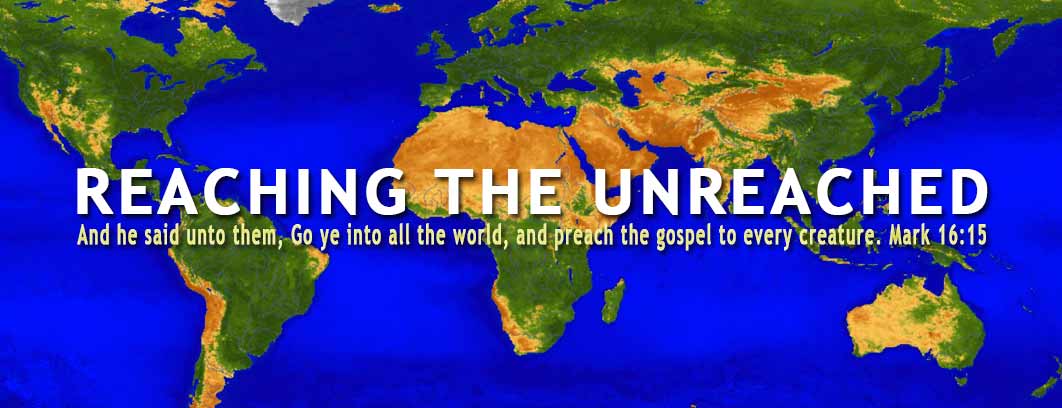
The World's Most Unreached Regions: We serve the world’s most unreached regions within the 10/40 window of Asia and Africa. We adjust our missionary methods, culture, and communication to fit the specific needs newly encountered believers rather than expecting the communities to adapt our ways. This we do while preserving biblically founded doctrine, worship, and teaching.
Christian communities in unreached parts: They are among the minority groups who continue to be vulnerable and marginalized from the broader social, economic, and political spheres of development. Many are dispossed of land and property, displaced from their ancestral land and thus, living as squatters in shanties, discriminated from dignified employment opportunities, bonded with life-long debts which they live repaying through heavy and low paying work, and restrained from public worship and confined to house churches, and forced into cross-religion marriage and recanting of their faith.

House Church Leaders: The leaders including Pastors, Evangelist, Teachers, and others initiate house churches that often remain completely isolated and cut out from urban areas. Many of these leaders have had no formal ministry training and operate in environments where communication is restricted to only local languages. They have limited access to Bibles and other discipleship materials, and they must contend with strict censorship of digital communications, including mobile phones and internet access. The pastors and their congregations face significant obstacles to growth and discipleship.

House Churches: Christian believers are organized around an individual, households where several members convert to christianity, or family where several households converts to Christianity. It is around these social organization that churches are formed, mainly as house churces of household member or households of family.
Worship services are organized in one of the houses while the house church pastor emerges based on the undisputable qualities. Where households or family have continued being christians over generations, they are called traditional christian. When the members are converts from other faith, they are called 'converted Christian. There is little or no mixing between house churches.
However, in big cities congregational churches where several households or family assemble for worship on specific days have been set by national laws.
Bangladesh House Churches: House churches meet on Friday because the weekend stretches from Friday to Saturday while Sunday is week day when people go to work.
Pakistan House Churches: Both house-churches worship on Sunday. This is because weekend stretches from Saturday to Sunday. Its common for house churches to congregate for worldly celebrated days such as Christmass, and Easter Holiday. In some Countries, these Christian Holiday are parallelled with other religion celebration. For example, it possible to see Christmass being parallelled with the birth of the Prophet of another religion.

New Coverts Diallema: People who convert to Christianity end up being isolated by their family, clan, and even the wider society. Conversion from one faith to another is regarded as Apostacy. The penalty of leaving the family's religion is death. However, the person is given ultimatum to recant their new faith or face death. Among the Muslim, conversion to Christianity is considered apostasy whose penalty is death, if the new faith in not recanted. Among the Hindu, in areas where they are minority, they are treated less harshly. It is difficult for ex-other religion to be accepted into existing house churches due to eminent attacks by member of the religion they have come from. The only opportunity is for them to start their own house churches if and when other members of their families convert to christianity. It is common to find many unchurched and undiscipled Christians. Thank God due to online church and they often link to despite the language barriers.
Strategy 1: We learn local culture including language, symbols, customs, and events to help in understanding and appreciating the diversity, and communicating with the target community.
Strategy 2: We facilitate local Christian leaders to be catalyst for ministry services in their unreached localities .
Strategy 3: We faciliate local christian leaders to access opportunites that allow them to connect with other Christian communities and leaders in other parts of the world .
Strategy 4: We facilitating local christian leaders to undertake compassionate services for astrocized members within their communities as an avenue for sharing the Gosple.
Strategy 5: We mobilize Christian believers in reached regions to support Christian leaders in unreached global frontiers.

Be the one to make it happen!
